


04/27/2026

BRAZIL ENTERS THE GLOBAL BATTERY RACE WITH AN INTERNATIONAL-STANDARD LITHIUM-ION MEGAFACTORY
Led by SENAI Electrochemistry (Curitiba-Brazil), the new plant, with a capacity of ~10 MWh/year and focused on cylindrical and prismatic cells, positions the country as an emerging protagonist in the energy transition and in building a high value-added national chain.


The global energy transition has just gained a new chapter in Latin America, and Brazil takes the lead. The first national plant for the production of lithium-ion battery cells is in an advanced stage of implementation, with a capacity of ~10 MWh/year, covering two of the main geometries used globally: cylindrical and prismatic.
The project, led by SENAI Electrochemistry, consolidates the country as a new emerging hub in energy storage technologies, with the potential to boost the entire national production chain.
International-standard infrastructure.
The plant was designed based on global best practices in battery manufacturing, with equipment acquired from SUNTE, an international reference in providing industrial solutions and system integration.
The Brazilian technical team has already completed the Factory Acceptance Test (FAT) stage directly at the supplier’s factory, ensuring equipment validation and the transfer of critical knowledge. At this stage, the project advances to one of the most sensitive phases of the process: the preparation of the humidity-controlled room, an essential condition to ensure quality and safety in the production of high-standard electrochemical cells. This technical rigor positions the plant at an internationally competitive level, paving the way for the development of high value-added products in Brazil.
A structuring project for Brazil.
More than an industrial plant, this initiative represents a strategic investment for the country. The project was made possible with support from the Rota 2030 program, with funding coordinated by SENAI National Department and EMBRAPII.
The execution also relies on technical support from CPQD and the active participation of a consortium formed by 27 companies that, at the end of the project, will have access to batteries developed and produced within the national territory.
This collaborative model strengthens the innovation ecosystem, connecting industry, applied research, and technological development.
Value chain induction and technological sovereignty.
The implementation of this MEGAFACTORY represents a milestone for the development of the battery value chain in Brazil. From materials engineering to integration into energy systems and automotive applications, the project creates the foundations for the progressive nationalization of critical technologies. In a global geopolitical scenario marked by instabilities and disputes over strategic resources such as lithium, the ability to locally produce battery cells becomes not only a competitive advantage but also a matter of national sovereignty. In addition, the initiative promotes the development of high-level technical skills, training specialists and consolidating Brazil as a reference in electrochemistry applied to energy storage.
Governance and long-term vision.
Given the strategic relevance and the volume of investment involved, close to US$13 million, an advisory committee was structured with the participation of representative entities from the automotive sector. This forum plays a fundamental role in guiding technological directions, aligning the project with real industry demands and global electrification trends.
SENAI Electrochemistry, a National Reference.
At the center of this transformation is SENAI Electrochemistry, which is consolidating itself as the main national reference in technological solutions, applied research, and specialized services in batteries, energy storage systems, and interoperability in electric vehicle charging systems. With this new infrastructure, the institute not only expands its operational capacity but also positions Brazil more competitively on the international stage.
Conclusion.
The implementation of the first lithium-ion battery plant in Latin America is more than a technological advancement; it is a strategic movement that connects innovation, industry, and sovereignty. By creating the foundations for a robust national production chain, Brazil takes a decisive step toward the future of energy, assuming an active role in the global energy transition.
Partner companies and institutions and advisory board entities.
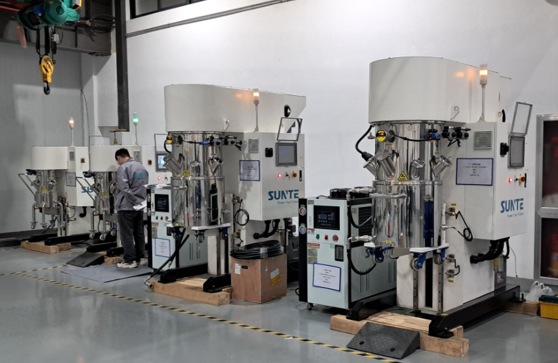
Manufacturing line for slurry (ink) of the anode and cathode active material.
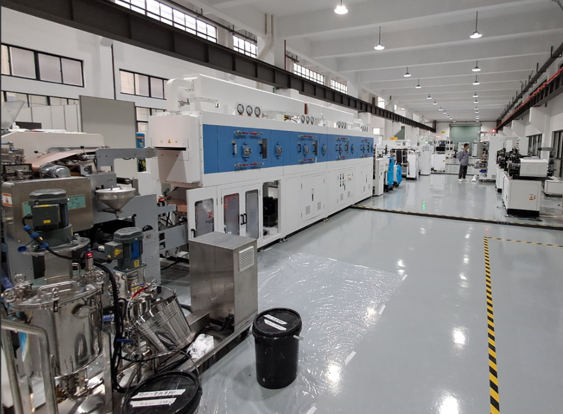
Automated electrode manufacturing line. In the foreground, a transport cart carrying the slurry ink produced in the mixers.
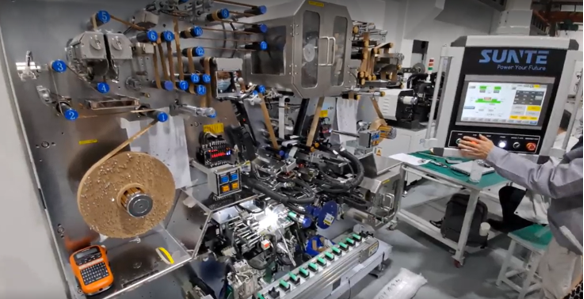
Automated production line for Jelly Roll of cylindrical cells.
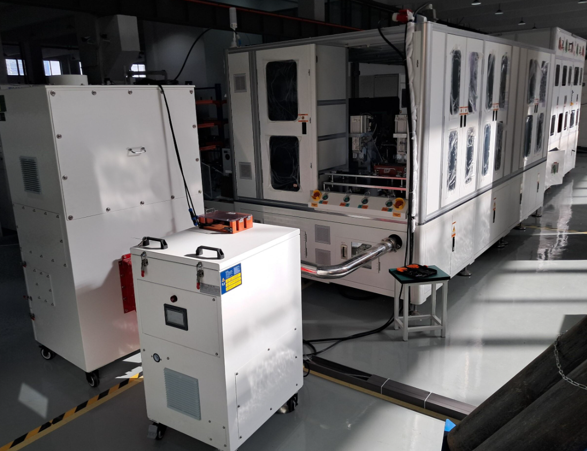
Automated assembly line for prismatic cells.
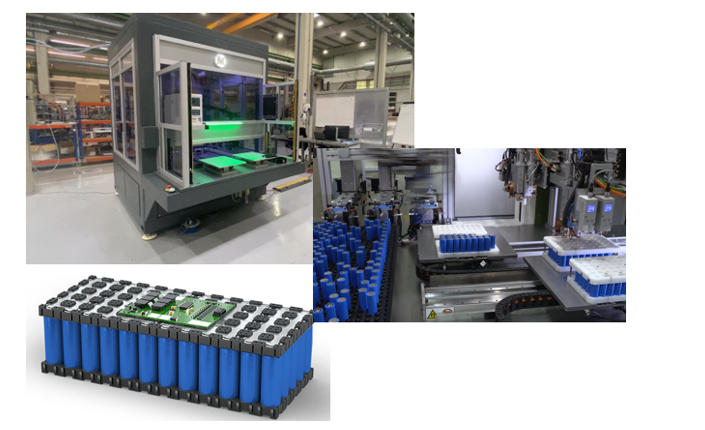
Automated production line for packs with cylindrical cells.

Marcos Berton, D.Sc. | Chief Researcher | Technology and Innovation Management
